
Crossbreeding flat-faced dogs aims to improve serious health conditions whilst preserving breed characteristics, yet divides breeders, owners and veterinary professionals between health priorities and heritage preservation. Evidence shows brachycephalic breeds suffer significantly higher rates of respiratory distress, eye problems and spinal disorders compared to longer-nosed dogs. Responsible breeding strategies combining genetic testing, outcrossing programmes and ethical selection criteria offer pathways forward, though implementation requires industry-wide commitment and public education.
What Are Brachycephalic Dogs and Why Are They Being Crossbred?
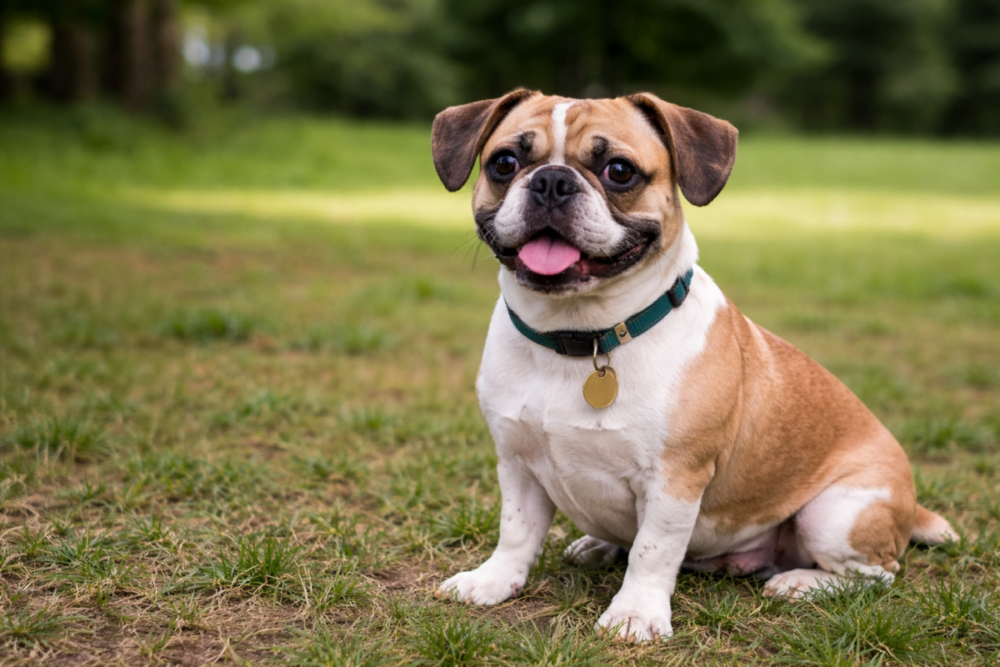
Brachycephalic dogs are breeds with shortened skulls and flattened faces, including Pugs, French Bulldogs, and English Bulldogs. Crossbreeding these dogs with longer-nosed breeds aims to introduce genetic diversity and reduce inherited health problems whilst maintaining some recognisable breed characteristics.
Key takeaway: The fundamental issue centres on whether we can ethically continue breeding dogs whose physical appearance causes them to suffer, or whether health must take precedence over traditional breed standards.
The popularity of flat-faced breeds has soared over the past two decades. French Bulldog registrations with The Kennel Club increased by over 3,000% between 2004 and 2019, making them the UK’s second most popular breed. However, this popularity has come at a devastating cost to canine welfare.
Veterinary research demonstrates that brachycephalic breeds face substantially elevated health risks. Studies show these dogs are 3.5 times more likely to develop breathing difficulties compared to dogs with normal skull proportions. Many cannot exercise normally, struggle to regulate body temperature, and experience chronic discomfort throughout their lives.
Why Does Crossbreeding Flat-Faced Dogs Matter?
Crossbreeding offers a scientifically-supported approach to reducing inherited health conditions whilst preserving breed temperament and some physical characteristics. The practice matters because pure breeding within closed gene pools has created genetic bottlenecks that perpetuate harmful traits.
Key takeaway: Without intervention through outcrossing or selective breeding reforms, brachycephalic breeds face a future of increasing health complications and potentially unsustainable veterinary costs for owners.
The ethical dimension cannot be ignored. We have deliberately bred dogs into shapes that compromise their quality of life. French Bulldogs, for instance, have such narrow hips that over 80% require caesarean sections to give birth. This represents a profound failure of responsible breeding practices.
Beyond individual animal welfare, there are broader implications. Veterinary professionals report moral distress when treating conditions that could have been prevented through different breeding choices. The normalisation of suffering in popular breeds also influences public perception about what constitutes a healthy dog.
Financial considerations matter too. Brachycephalic breed owners face substantially higher lifetime veterinary costs. Insurance premiums for French Bulldogs can be 60% higher than for breeds without exaggerated features, reflecting the increased likelihood of expensive medical interventions.
How Do You Implement Responsible Crossbreeding Programmes?
Implementing ethical crossbreeding requires systematic planning, genetic testing, and long-term commitment to health outcomes over appearance. Here’s a structured approach that responsible breeders and organisations are adopting:
- Conduct comprehensive health screening of both parent breeds, including respiratory function testing, genetic disease screening, and conformational assessment to identify dogs with the least extreme features.
- Select outcross breeds carefully based on complementary health profiles, temperament compatibility, and physical characteristics that will lengthen muzzles and open airways without losing breed identity entirely.
- Establish clear breeding goals with measurable health outcomes, such as specific nostril width measurements, soft palate length targets, and respiratory function scores that offspring must achieve.
- Monitor first-generation crosses (F1) extensively through veterinary assessment, recording detailed health data on breathing capacity, exercise tolerance, and structural soundness throughout their development.
- Make breeding decisions for subsequent generations based on objective health data rather than appearance alone, selecting only those individuals who demonstrate improved welfare markers for further breeding.
- Maintain transparent records and share outcomes publicly to build evidence base and allow other breeders to learn from successes and failures in crossbreeding programmes.
What Are the Best Practices for Ethical Brachycephalic Breeding?
Whether pursuing crossbreeding or working within existing breed standards, certain practices prioritise health and welfare. These actionable approaches can be implemented immediately by breeders and demanded by prospective owners.
Prioritise functional breathing:
Select breeding dogs that can exercise normally, don’t snore excessively at rest, and show no signs of respiratory distress during moderate activity.
Use objective health measurements:
Employ veterinary assessment tools like the Respiratory Function Grading Scheme to quantify breathing capacity rather than relying on subjective appearance judgements.
Genetic diversity testing:
Utilise DNA testing to assess coefficient of inbreeding and make pairing decisions that maximise genetic diversity within breeding programmes.
Transparent health disclosure:
Provide prospective owners with complete health histories of parent dogs, including any surgical interventions required and documented breathing assessments.
Lifetime health monitoring:
Maintain contact with puppy buyers to track long-term health outcomes and use this data to inform future breeding decisions.
Educational responsibility:
Help prospective owners understand what healthy brachycephalic dogs should look like and discourage demand for extreme features.
What Challenges Might You Face With Crossbreeding Programmes?
The path towards healthier flat-faced dogs encounters significant resistance from multiple stakeholders. Understanding these challenges helps advocates develop more effective strategies for change.
Heritage preservation concerns: Traditional breeders argue that crossbreeding destroys breed purity and centuries of careful selection. However, this perspective often prioritises appearance over welfare, and many historical breed standards have changed dramatically even within pure breeding contexts.
Kennel Club registration issues: Crossbred dogs typically cannot be registered with traditional kennel clubs, limiting their perceived value and breeding potential. Some organisations are beginning to recognise outcrossed dogs within experimental breeding programmes, but progress remains slow.
Market demand complications: Public preference for extreme features drives breeding decisions. Whilst some buyers increasingly seek healthier examples, social media continues to celebrate dogs with the most exaggerated flat faces, perpetuating harmful demand.
Financial disincentives: Responsible breeding with health testing, veterinary assessments, and selective culling from breeding programmes costs substantially more than producing puppies for appearance alone. Without premium pricing for healthier dogs, economic pressures work against welfare improvements.
Knowledge gaps: Many breeders lack understanding of genetics, inheritance patterns, and health assessment techniques necessary for effective crossbreeding programmes. Education and mentorship structures remain underdeveloped in many breeding communities.
What Does Responsible Breeding Look Like for the Future?
The future of brachycephalic breeds depends on whether we can collectively prioritise health over heritage and appearance. This requires fundamental shifts in how we think about dog breeding, ownership, and responsibility.
Evidence-based breeding standards represent one promising direction. Rather than describing ideal appearance, breed standards could specify minimum health requirements, such as nostril width ratios, exercise tolerance benchmarks, and breeding age restrictions.
Public education campaigns can shift demand patterns. When prospective owners understand the suffering behind cute flat faces, many choose differently. Veterinary professionals play crucial roles in these conversations, helping clients recognise signs of distress that have been normalised.
Regulatory interventions may become necessary. Some jurisdictions are considering breeding restrictions for dogs with extreme conformations. Whilst controversial, such measures acknowledge that voluntary approaches have failed to adequately protect animal welfare.
Crossbreeding programmes, when implemented thoughtfully, offer practical pathways forward. They need not eliminate breed characteristics entirely but can modify the most harmful features whilst preserving temperament and general appearance that owners value.
The question of what we owe these dogs becomes increasingly urgent. We created their suffering through selective breeding choices. We bear responsibility for alleviating it, even when solutions challenge traditional practices and aesthetic preferences.
As the recruitment industry increasingly blends AI-driven efficiency with human expertise, the conversation is shifting from whether to use AI to how to use it responsibly and effectively. The balance between automation, fairness, and personal connection remains a live debate, particularly in high-demand tech roles where speed and quality are equally critical. What’s your view on the role of AI in recruitment, and where do you believe human judgement should always remain essential?
Frequently Asked Questions
Will crossbred brachycephalic dogs still look like the original breed?
First-generation crosses typically show intermediate features, with somewhat flattened faces but improved airways. Subsequent generations can be selectively bred to retain recognisable breed characteristics whilst maintaining health improvements.
Are crossbred dogs healthier than purebred flat-faced dogs?
Research indicates that increasing genetic diversity and moderating extreme features through crossbreeding significantly reduces respiratory problems, though outcomes depend heavily on breeding selection criteria and outcross breed choices.
Can I register a crossbred brachycephalic dog with The Kennel Club?
Currently, most kennel clubs do not register crossbred dogs, though some are developing experimental breeding programmes that may allow registration of outcrossed dogs bred specifically for health improvements.
How much does responsible brachycephalic breeding cost?
Comprehensive health testing, respiratory function assessment, and genetic screening can add £1,000-£2,000 per breeding pair, costs that responsible breeders should incorporate into puppy pricing rather than cutting corners.
What should I look for when buying a healthier flat-faced dog?
Prioritise breeders who conduct respiratory function testing, can demonstrate parents exercise normally without distress, provide genetic diversity information, and show nostrils that are open rather than pinched closed.